Build a Tokyo Itinerary That Actually Works
This is a subtitlePlan smarter, travel smoother—use these expert tips to craft a Tokyo itinerary that flows naturally. for your new post
Why Planning Matters
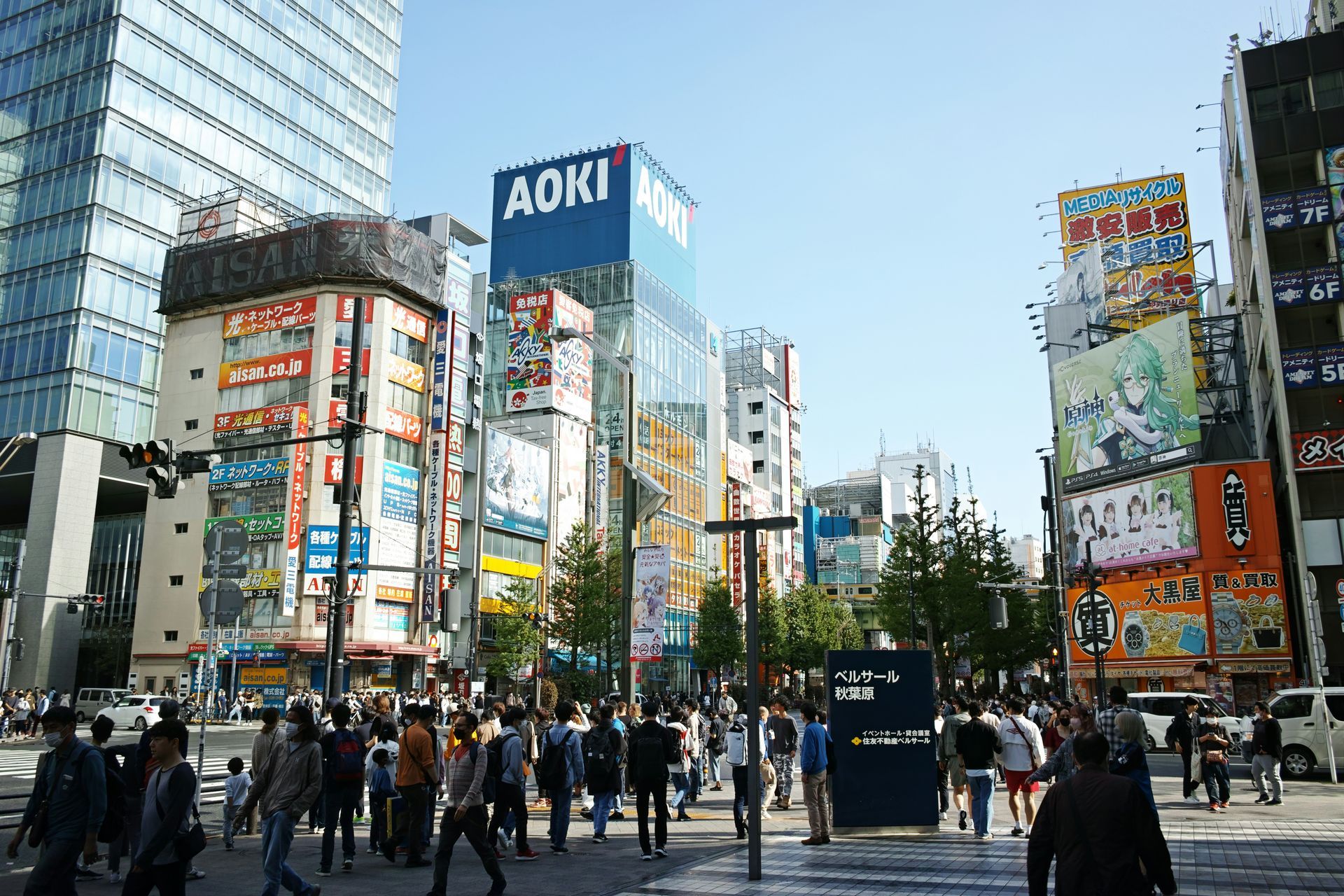
Tokyo’s scale and variety can overwhelm first-time visitors. Historic temples stand alongside neon-lit shopping districts; fish markets bustle early in the morning while nightlife stretches into the small hours. Without a plan, you risk spending more time on trains than exploring. Creating an itinerary is about balancing the must-see sights with your personal interests and the city’s geography. The Japan National Tourism Organization’s suggested itinerary for first-timers clusters attractions such as Tsukiji Outer Market, Edo-Tokyo Museum, Senso-ji Temple and Akihabara into one day, noting that Tsukiji remains a lively seafood district even after the wholesale market moved. This grouping reduces zigzagging across town and keeps travel times manageable.
How to Structure Your Days
Cluster by District
Tokyo’s neighborhoods each have distinct personalities. Grouping nearby attractions—Asakusa’s temples with Tokyo Skytree, or Shinjuku’s skyscrapers with Shibuya’s scramble crossing—minimizes travel. For example:
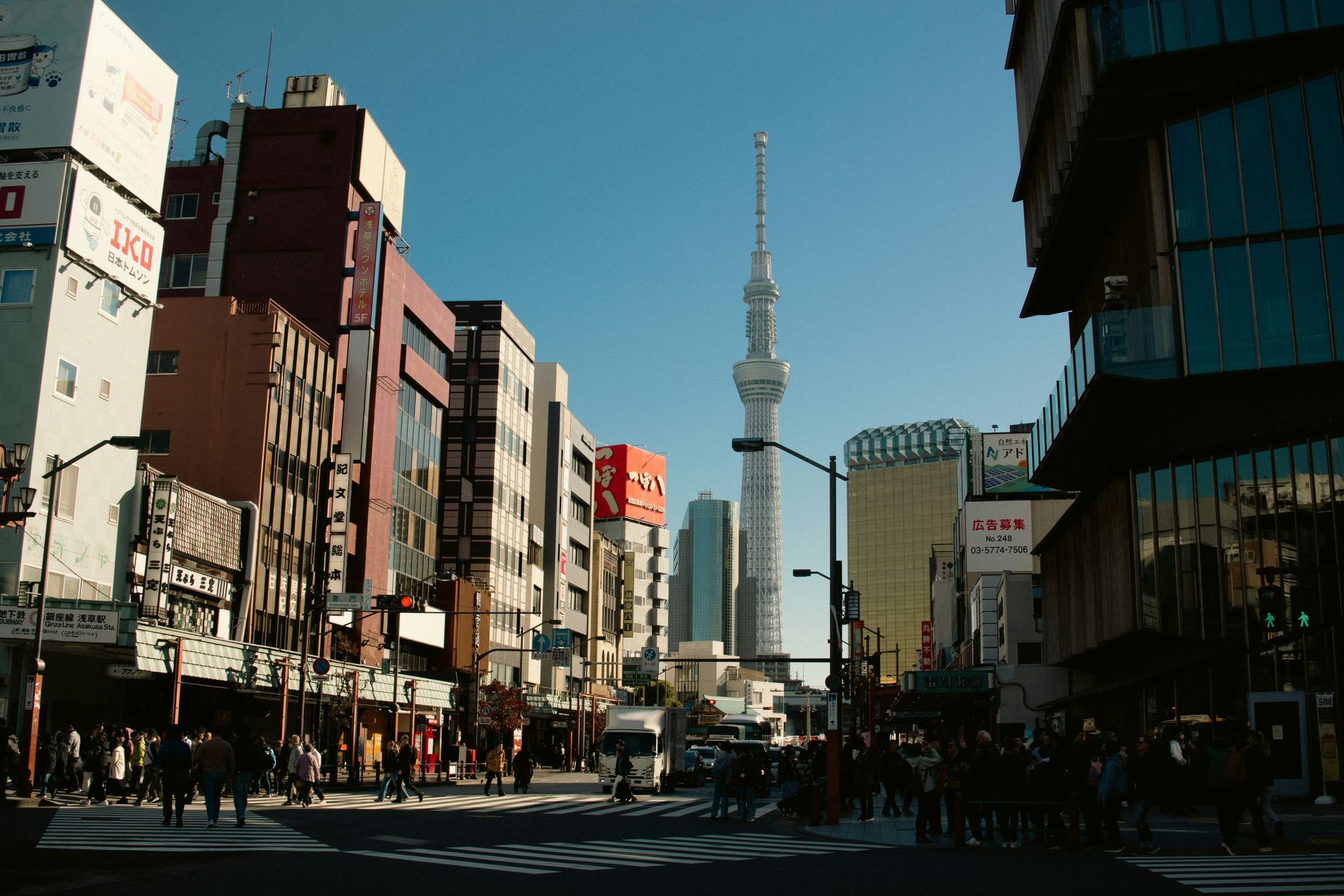
- Asakusa & Skytree: Start at Senso-ji, Tokyo’s oldest temple, reached via the historic Nakamise shopping street. Combine it with nearby Tokyo Skytree for panoramic views and modern shopping.
- Tsukiji & Ginza: Enjoy a breakfast of fresh sushi at Tsukiji Outer Market, still bustling with vendors and small eateries. Stroll to upscale Ginza for department store browsing and cafés.
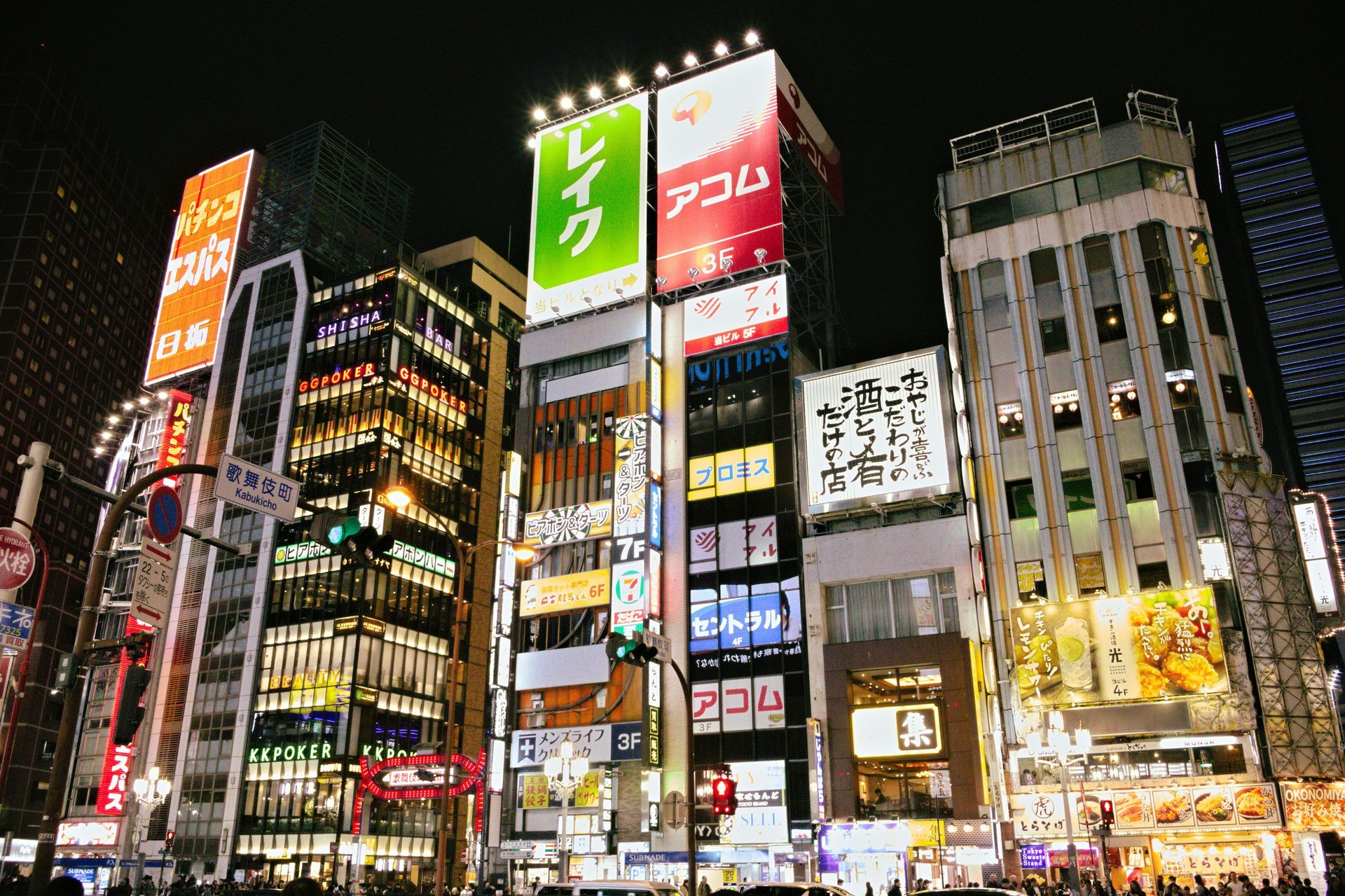
- Shinjuku & Shibuya: Explore Shinjuku’s skyscraper district and parks before heading to Shibuya’s youthful fashion streets and the famous scramble crossing.
- Odaiba: Dedicate an afternoon to this man-made island’s shopping malls and attractions.
Account for Travel Times
Tokyo’s public transport is efficient but time-consuming when transferring between companies. The JNTO itinerary notes it takes about five minutes from Tokyo Station to Tsukiji via the JR Keiyo Line and Tokyo Metro Hibiya Line. Getting from Asakusa to Akihabara is 10–15 minutes on the Tsukuba Express. Factor waiting times and station navigation into your schedule. Avoid scheduling back-to-back events on opposite sides of the city.
Pace Yourself
Even a single district can fill a day. Museums like the Edo-Tokyo Museum (currently closed for renewal) or shopping in Akihabara’s electronics stores can take hours. Leave buffer time for unplanned discoveries. If traveling with children or elderly relatives, prioritize rest stops and parks.
Sample 3-Day Itinerary
- Day 1 – Heritage & Food: Tsukiji Outer Market → Hamarikyu Gardens → Sumida River cruise to Asakusa → Senso-ji Temple → Tokyo Skytree → Dinner in Akihabara
- Day 2 – Modern Tokyo: Meiji Shrine → Harajuku’s Takeshita Street → Shibuya Crossing → Shinjuku Gyoen → Observatory in Tokyo Metropolitan Government Building
- Day 3 – Bay Area & Nightlife: Odaiba (TeamLab Borderless, Palette Town) → Ginza → Roppongi Hills and Mori Art Museum
These days flow geographically, limiting retracing your steps. Adjust based on interests; art lovers might swap Odaiba for Ueno’s museum cluster, while tech enthusiasts should linger longer in Akihabara.
Private Driver-Guide Advantage
Tokyo’s rail network is excellent, yet navigating transfers, rush-hour crowds and multiple ticket systems can be tiring. Glocal Japan’s private driver-guides solve this by picking you up at your hotel, whisking you directly to sights and parking close by. With a local professional behind the wheel, you avoid time-consuming detours and can adjust plans on the fly—adding an extra stop at a lesser-known shrine or skipping an overcrowded attraction. Vehicles are clean, modern and equipped with Wi-Fi, and premium vans have reclining captain seats for up to five passengers. Your driver-guide shares cultural insights, handles language barriers and ensures you arrive relaxed and on schedule. For families or seniors, the convenience of door-to-door service is priceless.
Checklist for Planning
- Determine trip length. Tokyo deserves at least three full days; add more if you plan day trips.
- List must-see attractions. Prioritize temples, museums, shopping and dining you don’t want to miss.
- Map by district. Group sights geographically to minimize transit.
- Check operating hours. Many museums close on Mondays; some shops open late.
- Pre-book experiences. Restaurant reservations, sumo tournaments and special exhibitions sell out.
- Consider mobility. Factor in travel times and physical stamina; plan breaks in parks or cafés.
- Decide on transport. Choose between public transit and a private driver based on group size and budget.
- Pack appropriately. Wear comfortable shoes and carry cash; many small eateries don’t accept cards.
FAQ
Q1: How many days do I need for Tokyo?
Most visitors spend three to five days in Tokyo. Three days allows you to cover top sights; five days lets you explore deeply and include day trips.
Q2: Should I visit Tsukiji even though the wholesale market moved?
Yes. The Outer Market remains a lively district of seafood stalls and small restaurants. It’s ideal for breakfast before exploring adjacent attractions.
Q3: Can I do Tokyo without a guide?
Absolutely, but a local guide or driver can save time, smooth language barriers and reveal hidden gems. If your schedule is tight or you have mobility concerns, consider a private tour.
Q4: What’s the best time to visit Tokyo?
Spring (late March–April) brings cherry blossoms and mild weather; autumn (October–November) offers colorful foliage and comfortable temperatures. Summer can be hot and humid, while winter is dry and cool.
Q5: Do I need to book attractions in advance?
It depends. TeamLab museums, sumo tournaments and popular restaurants require reservations weeks in advance. Attractions like temples and public parks do not.
Final Thoughts
Planning a Tokyo itinerary that actually works is less about ticking every box and more about crafting a flow that matches your interests and energy. By clustering sights, allowing travel time and considering a private driver-guide, you can experience the city’s contrasts—ancient temples and futuristic skyscrapers—without exhaustion. Glocal Japan’s experienced, multilingual driver-guides help you refine your plan, provide insider tips and ensure every day runs smoothly. Let us handle logistics so you can savor Tokyo’s magic at your own pace.
Sources & References
- Japan National Tourism Organization (JNTO), “Tokyo—Traditional and Contemporary”.
- Japan National Tourism Organization, “Useful Tickets in Tokyo”.
- Japan Guide, “Shibuya”.
- Japan Guide, “Roppongi”.
- Japan Guide, “Ueno”.
- Japan Guide, “Akihabara”.
- JNTO, “All Destinations, Zero Hassle: A Guide to Chartered Taxis in Japan”.