Where to Stay in Tokyo: Best Areas by Travel Style
Best Areas to Stay in Tokyo for Every Traveler
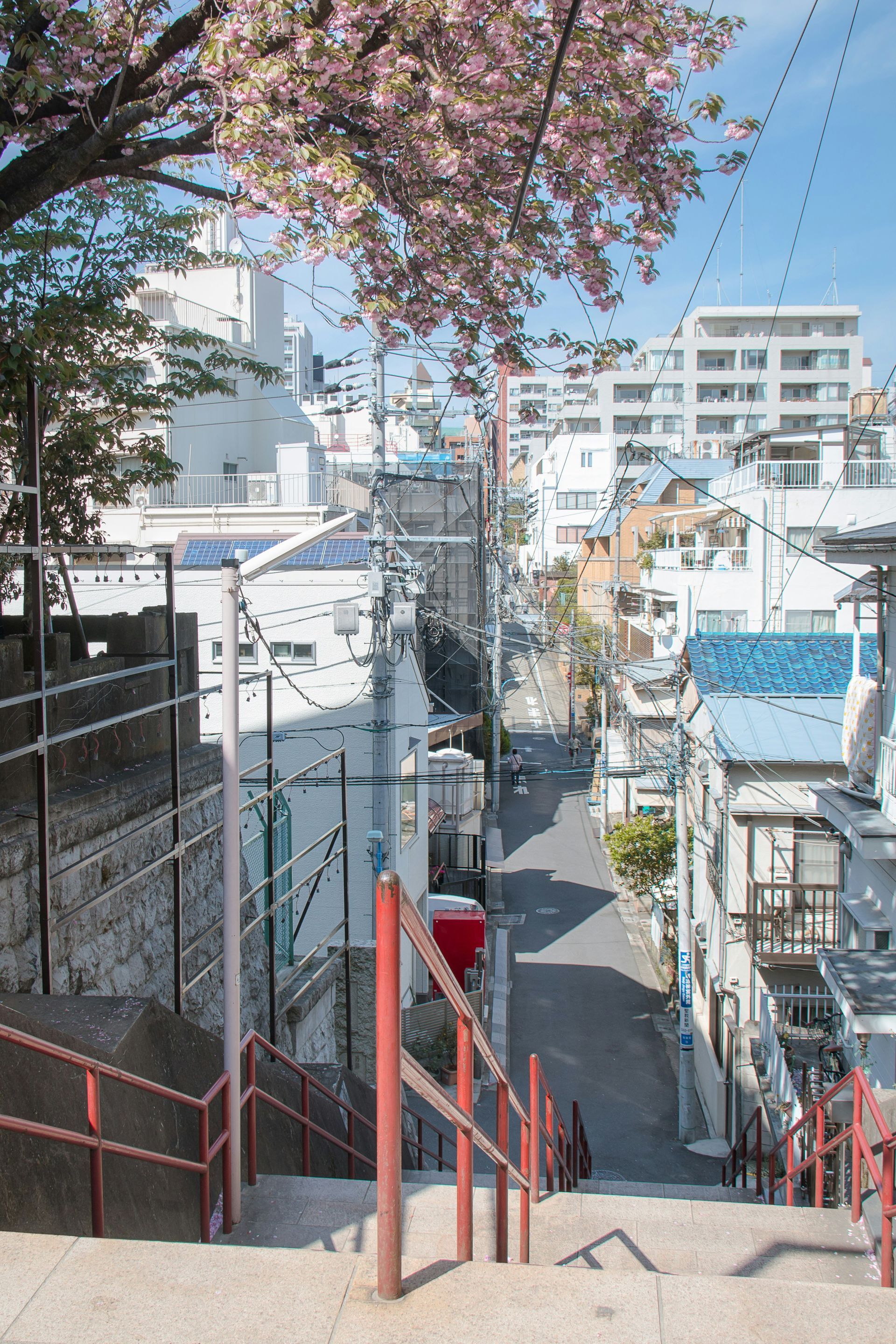
Tokyo’s best neighborhoods reflect different travel styles: Shinjuku for convenience and nightlife, Shibuya for youth culture and shopping, Asakusa for traditional temples, Ginza for upscale shopping, and Odaiba for waterfront leisure. Families and couples benefit from choosing a base near their interests and using a private driver to explore farther afield.
Matching Districts to Your Style
Tokyo is a patchwork of micro-cities, each with its own energy. Choosing where to stay depends on how you travel. Below are the major districts and who they suit.
Shinjuku: Transport Hub and Nightlife
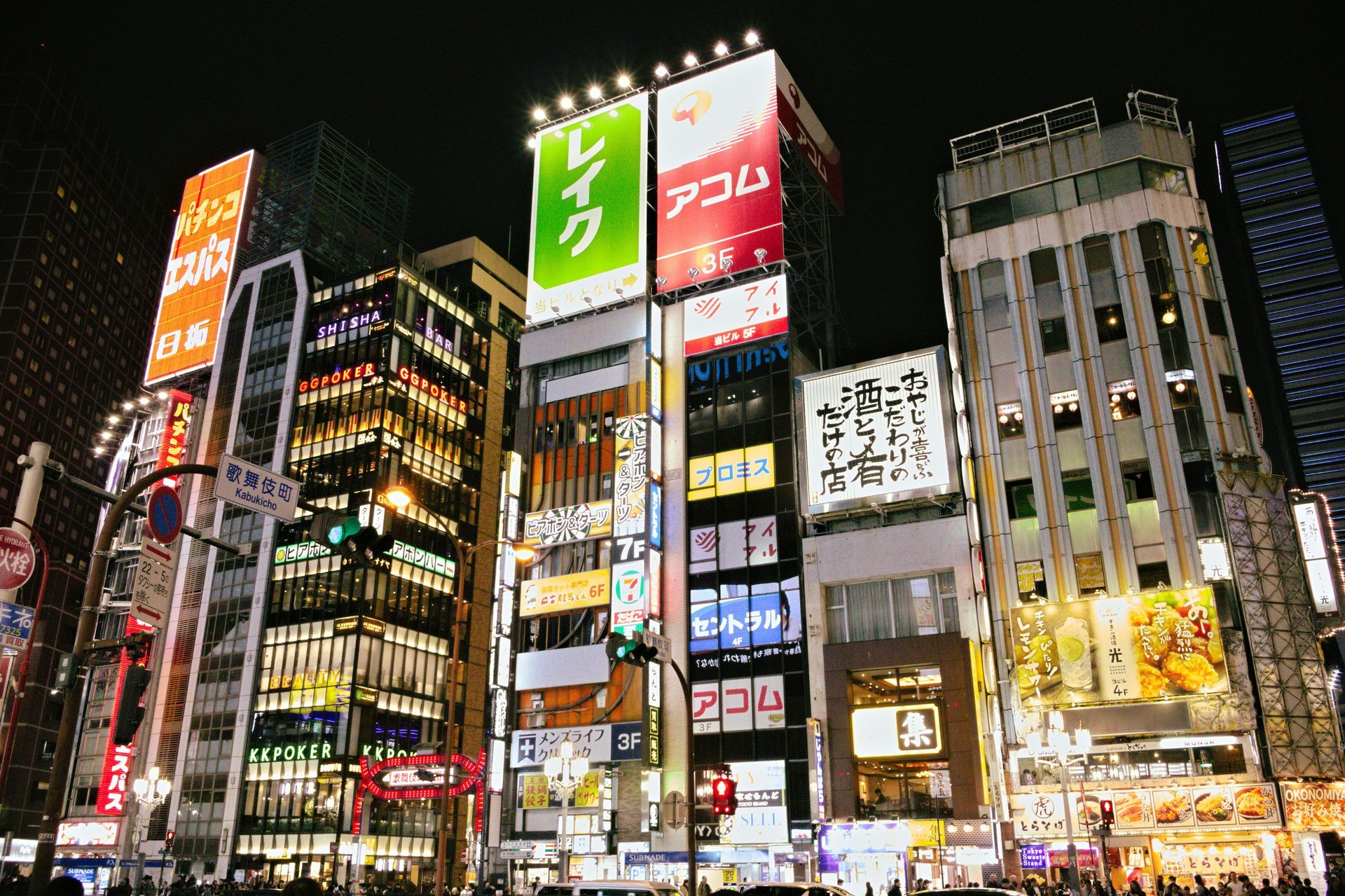
Shinjuku is anchored by one of the world’s busiest railway stations. The west side features skyscrapers and major hotels, while Kabukicho to the northeast offers nightlife and entertainment. This area suits travelers who value convenience—numerous train lines and bus terminals radiate from Shinjuku—and those who enjoy late-night dining, shopping, and city lights.
Shibuya: Youth Culture and Shopping
Shibuya’s colorful streets buzz with fashion boutiques, music stores, and cafés. The district is famous for the scramble crossing and the Hachiko statue near Shibuya Station. Ongoing redevelopment has added sleek towers and new shopping complexes. Shibuya is ideal for trend-seekers, young couples, and anyone who wants to stay in the heart of Tokyo’s pop culture.
Asakusa: Tradition and Temples
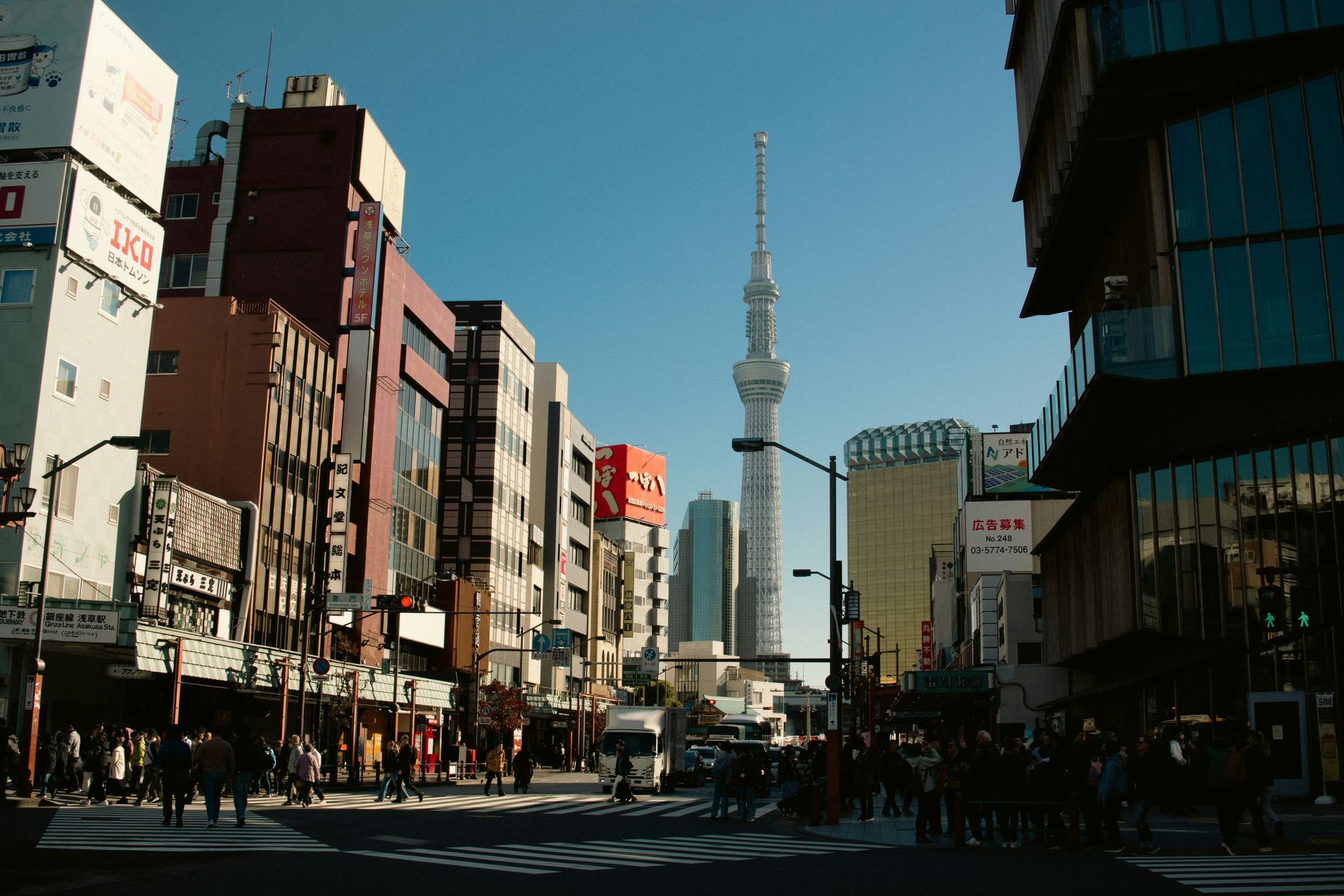
Asakusa retains the atmosphere of old Tokyo. The historic Senso-ji Temple is approached via Nakamise shopping street lined with food and souvenir stalls. Rickshaws cruise the streets, and the area grew even more popular after Tokyo Skytree opened nearby. Asakusa appeals to travelers who want history, culture, and a slower-paced Tokyo experience.
Ginza: Luxury Shopping and Fine Dining
Ginza is Tokyo’s premier upscale district, packed with department stores, boutiques, and galleries. The main Chuo-dori becomes pedestrian-only on weekend afternoons, giving the neighborhood a relaxed but polished feel. Ginza suits travelers who enjoy high-end shopping, art spaces, and excellent dining.
Roppongi: Nightlife and Art
Roppongi is known for nightlife and an international vibe, attracting both locals and foreign residents. Redevelopment projects like Roppongi Hills and Tokyo Midtown brought luxury hotels, shopping, and major cultural spots such as the Mori Art Museum and large exhibition spaces. Stay here if you like clubbing, international restaurants, and museums.
Odaiba: Waterfront Entertainment
Built on reclaimed land, Odaiba offers spacious malls, futuristic architecture, and views of Rainbow Bridge. It’s popular with families and couples looking for entertainment, including immersive digital art experiences and seaside parks.
Marunouchi: Business and History
Marunouchi, between Tokyo Station and the Imperial Palace, is a prestigious business district with a calm, refined atmosphere. Tokyo Station’s red-brick facade contrasts with modern office towers and connected shopping complexes. This area is especially convenient if you plan to use the Shinkansen frequently and want an upscale, quieter base.
Ueno: Museums and Parks
Ueno Park is a large green space home to multiple museums and a zoo. It’s especially famous during spring when the park’s cherry trees bloom. Ueno suits families, budget travelers, and anyone who wants easy access to museums and park walks.
Akihabara: Electronics and Pop Culture
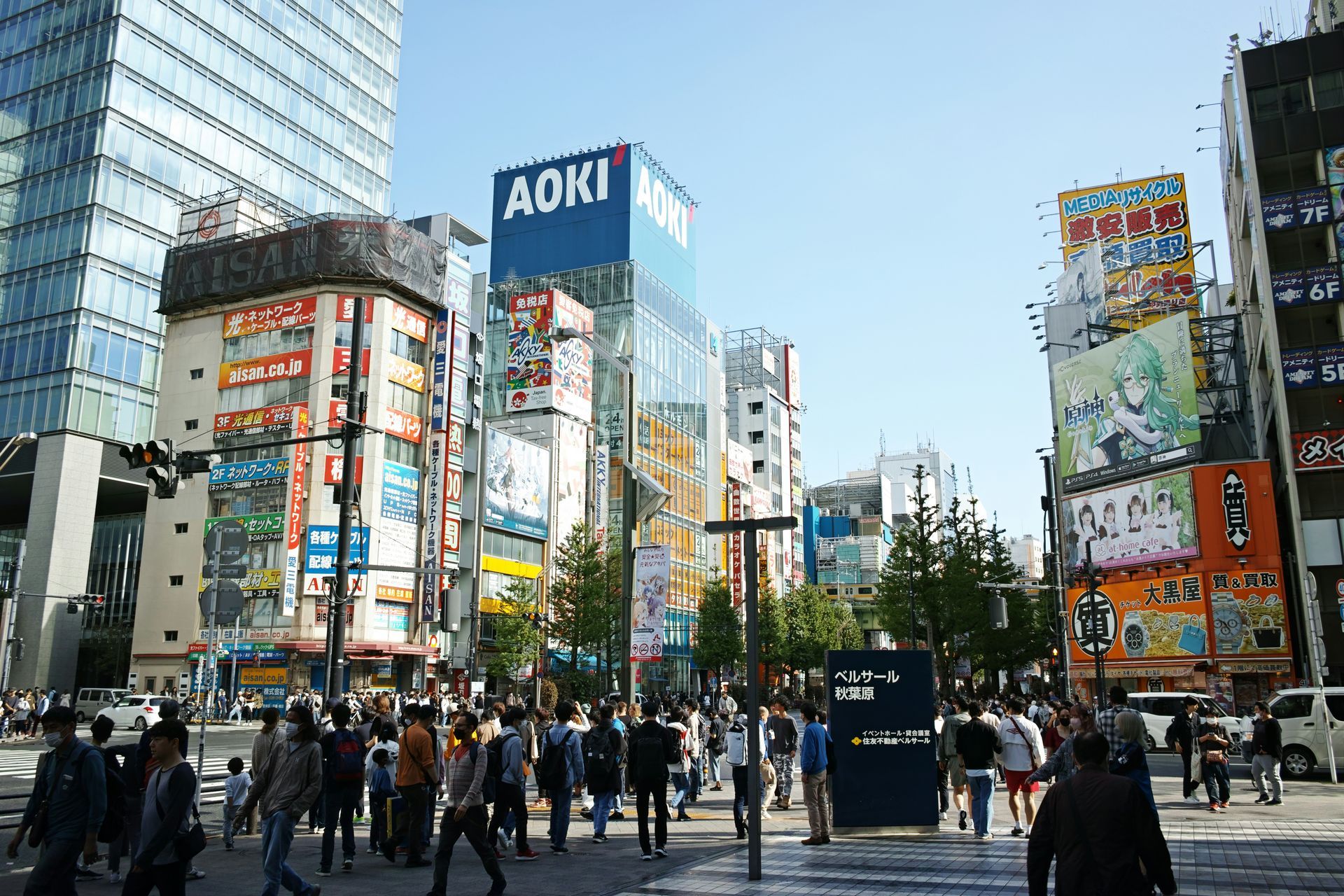
Akihabara is the center of electronics shopping and otaku culture. On certain days, the main street becomes a pedestrian zone, creating a lively atmosphere. Stay nearby if you’re into anime, manga, retro games, or gadget shopping.
Decision Tree: Where Should You Stay?
- Do you prioritize transport convenience?
- Yes → Choose Shinjuku or Marunouchi for strong train access and major hubs.
- No → Continue.
- Are you seeking traditional culture?
- Yes → Choose Asakusa for temples and old-town charm.
- No → Continue.
- Do you prefer shopping and nightlife?
- Yes → Choose Shibuya for youth fashion, Roppongi for clubs, or Ginza for luxury.
- No → Continue.
- Are you traveling with children?
- Yes → Choose Ueno or Odaiba for parks, museums, and more space.
- No → Continue.
- Looking for budget options?
- Yes → Consider Asakusa, Ueno, and parts of Akihabara.
- No → Ginza, Roppongi, or Marunouchi fit a premium stay.
Private Driver-Guide Advantage
Staying in one district doesn’t mean you’re restricted to it. Tokyo is huge, and cross-town journeys can eat up time—especially if you want to see several neighborhoods in one day. Glocal Japan’s driver-guides remove the hassle of transfers and navigating crowded stations. A private vehicle picks you up at your hotel and takes you directly to your next stop, whether it’s a temple in Asakusa, a restaurant in Ginza, or a museum in Roppongi. Premium vans with captain seats also make family travel far more comfortable, and multilingual guides share neighborhood context as you move through the city.
FAQs
Q1: Which district is best for first-time visitors?
Shinjuku or Shibuya offer central locations, excellent transport, and plenty of dining. Asakusa is more traditional but less central.
Q2: Are there family-friendly areas in Tokyo?
Yes. Ueno and Odaiba have parks, museums, and spacious hotels. Asakusa also works well for families thanks to open temple grounds and nearby river walks.
Q3: Where should couples stay for a romantic trip?
Ginza and Roppongi offer upscale hotels, fine dining, and art museums. Odaiba is great for waterfront views and a slower pace.
Q4: Is staying near Tokyo Station necessary?
Not necessarily. Marunouchi is convenient for Shinkansen travel, but Tokyo’s transport network and private transfers make many districts equally practical.
Q5: How far in advance should I book accommodation?
Book 3–6 months ahead for peak periods like cherry blossom season and autumn foliage. Premium hotels in Ginza and Roppongi can fill quickly.
Closing Thoughts
Choosing where to stay in Tokyo is about matching your base to your interests. From neon-lit Shinjuku to atmospheric Asakusa, each neighborhood gives you a different view of the city. And with Glocal Japan’s private driver-guides, you can stay wherever you like and still explore across Tokyo with ease. Let us help you find the right base and make the most of every day.
Sources & References
- Japan Guide, “Shinjuku”.
- Japan Guide, “Shibuya”.
- Japan Guide, “Asakusa”.
- Japan Guide, “Ginza”.
- Japan Guide, “Roppongi”.
- Japan Guide, “Odaiba”.
- Japan Guide, “Marunouchi”.
- Japan Guide, “Ueno”.
- Japan Guide, “Akihabara”.
- JNTO, “All Destinations, Zero Hassle: A Guide to Chartered Taxis in Japan”.