Tokyo in 5 Days: Neighborhood‑Focused Itinerary
A Short Guidance for Your Tokyo Trip
Spend five days peeling back Tokyo’s layers. Day 1 blends tradition and culture in Asakusa and Ueno Park. Day 2 explores pop culture in Shibuya, Harajuku and Meiji‑Jingu, while Day 3 focuses on Odaiba’s waterfront and cutting‑edge art. Day 4 lets you dive into Akihabara’s electronic wonderland and the backstreets of Ueno, and Day 5 invites you to slower neighborhoods like Kichijoji or Shimokitazawa. Travelling with a private driver‑guide ensures seamless transfers and the freedom to customize your schedule.
Tokyo isn’t a single “center” but a collection of villages and districts, each with its own personality. A longer visit lets you go beyond the iconic sights to explore contrasting neighborhoods and hidden corners. This five‑day itinerary offers a balanced mix of history, pop culture, nature and local life. Hiring a driver‑guide through Glocal Japan means you can efficiently link districts that would otherwise involve multiple train transfers. Feel free to swap days or add optional excursions—your guide will adapt the route to suit your interests.
Day 1 – Asakusa and Ueno
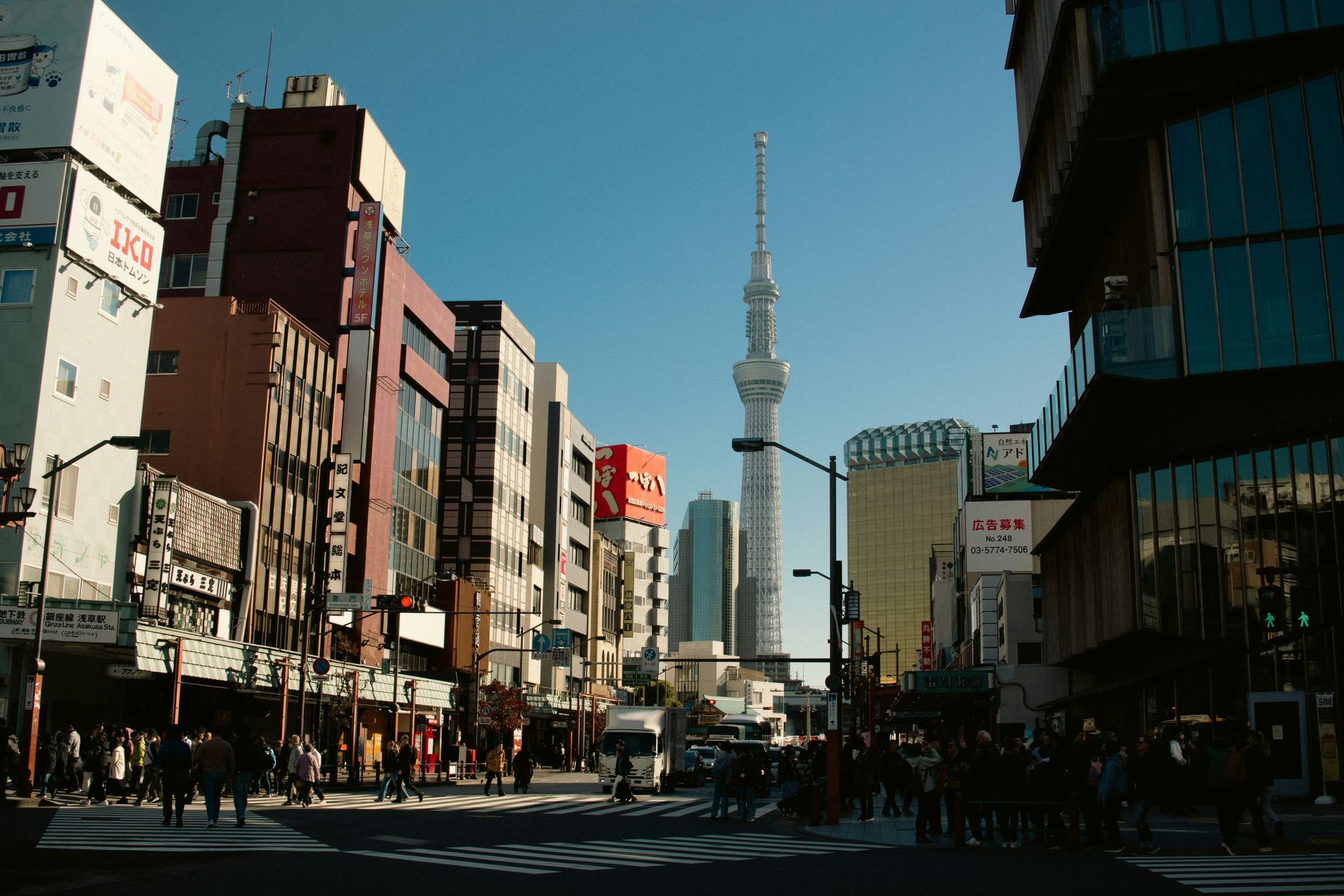
Morning: Sensoji Temple and Nakamise‑dori. Begin with Tokyo’s oldest temple. According to legend, fishermen found a statue of Kannon in 628 AD and built Sensoji to enshrine it. Walk through the iconic Kaminarimon gate with its giant red lantern and browse the centuries‑old Nakamise‑dori shopping street leading to the main hall. Early morning is ideal to avoid crowds.
Midday: Ueno Park and museums. A short drive north brings you to Ueno Park—one of Japan’s oldest public parks and an oasis for culture lovers. The park is famous for its cherry blossoms, which attract more than two million visitors each spring. Even outside sakura season, Ueno’s six museums make it a top destination. The Tokyo National Museum, National Museum of Western Art, National Museum of Nature and Science and other institutions rank among the world’s great cultural facilities. Stop by the lesser‑known Shitamachi Museum to learn about Tokyo’s old downtown and the everyday life of craftsmen and merchants. You can also visit Ueno Toshogu Shrine, dedicated to shogun Tokugawa Ieyasu, or stroll around Shinobazu Pond, where lotus flowers bloom in summer.
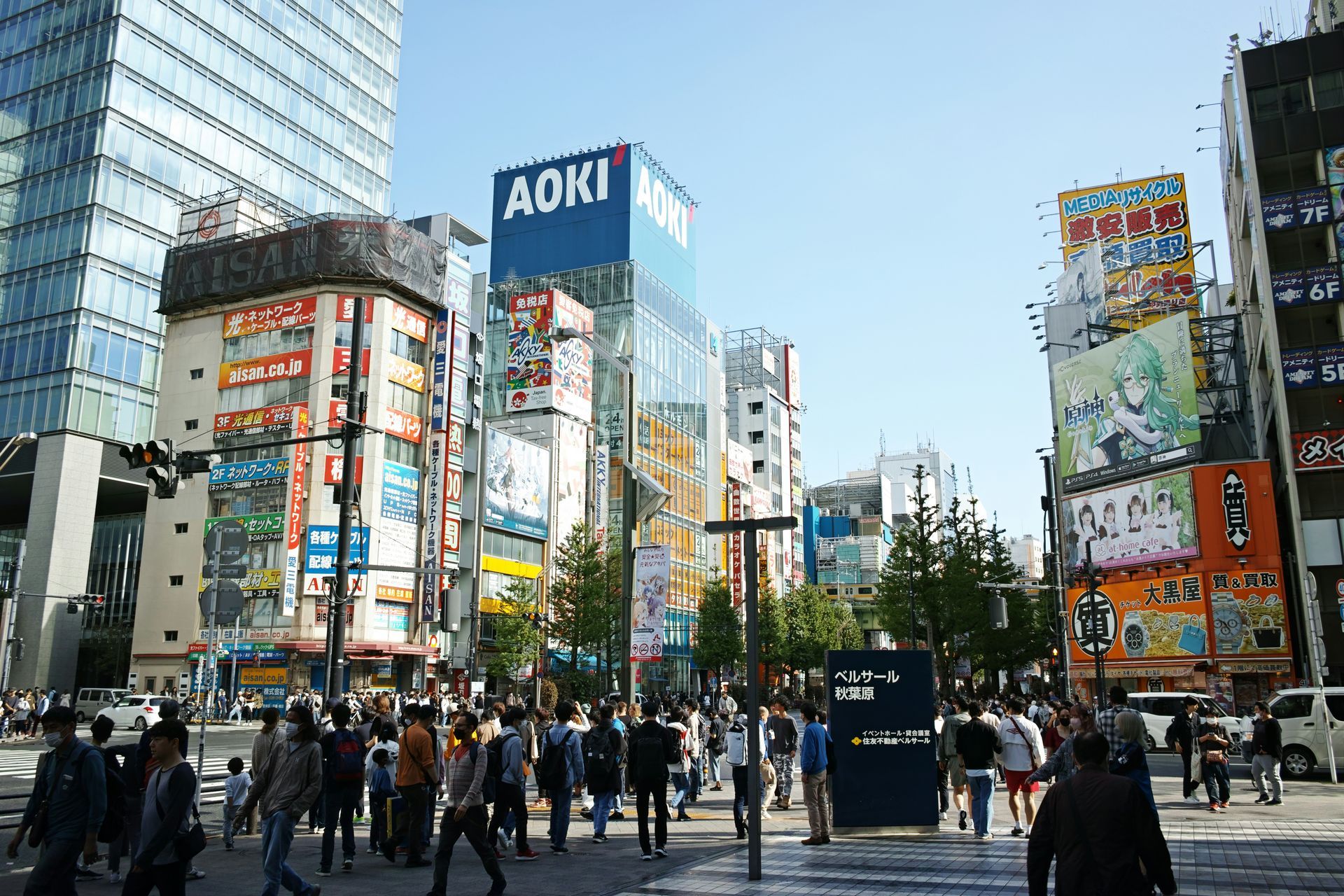
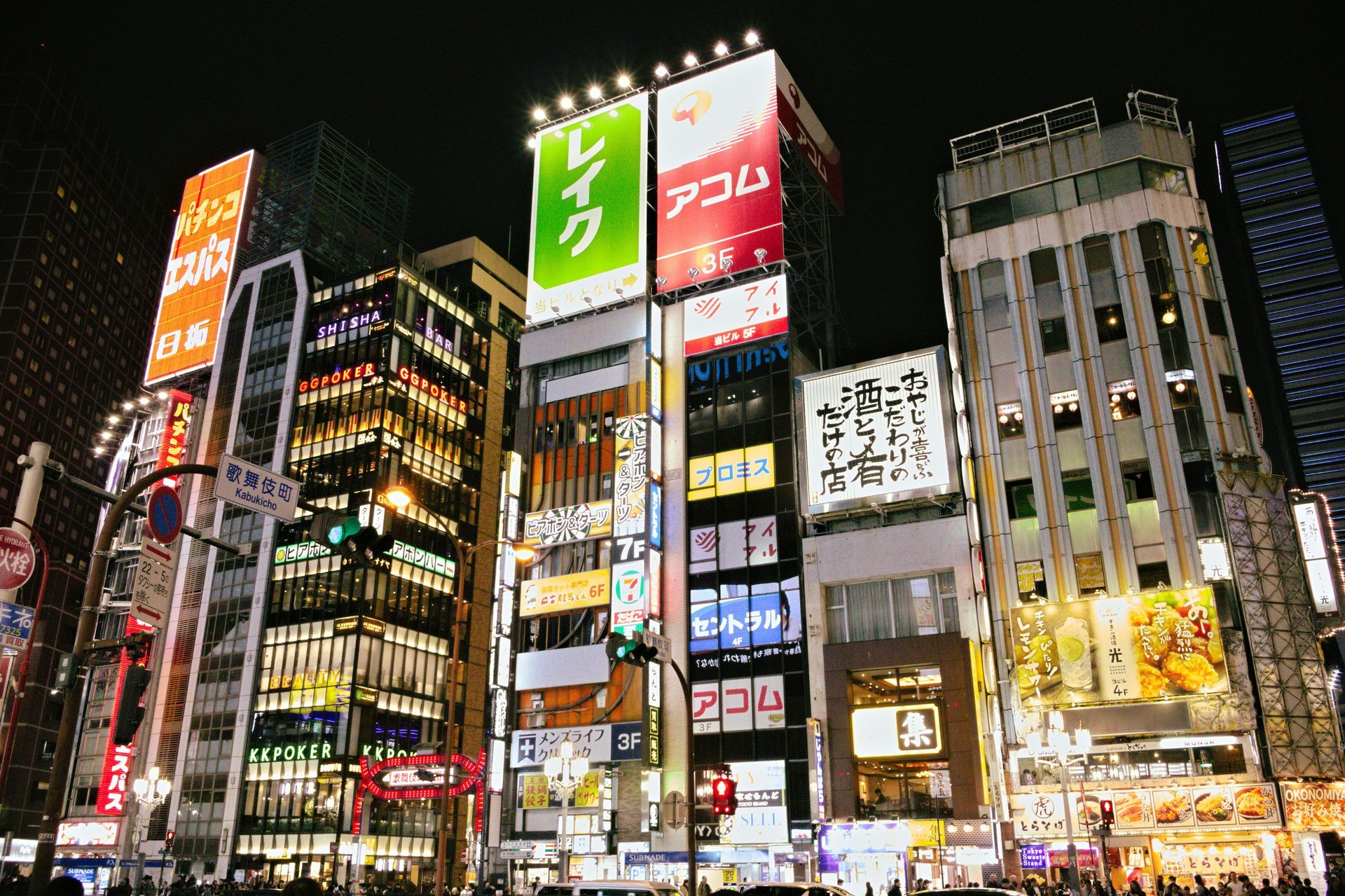
Afternoon: Ameya Yokocho and Akihabara. From Ueno Park, walk or drive through Ameya Yokocho (Ame‑Yoko), once a black market after World War II and now a lively alley for bargain shopping and street food. Continue to Akihabara, Tokyo’s “Electric Town.” Originally a hub for electronics, Akihabara has evolved into a mecca for anime, manga and gaming. Whether you’re hunting for retro consoles or just people‑watching, the area’s neon shops and themed cafés provide a glimpse into contemporary Japanese pop culture.
Day 2 – Shibuya, Harajuku and Shinjuku
Morning: Shibuya Crossing. Start your second day at the scramble crossing outside Shibuya Station, where pedestrians cross from all directions in a mesmerising display. The area is accessible via nine rail and subway lines. Visit the Hachiko statue, honoring the loyal dog who waited for his master for nearly a decade. For a bird’s‑eye view, head to one of the surrounding cafés or observation decks.
Midday: Harajuku and Meiji‑Jingu. Move a few blocks north to Harajuku’s Takeshita Street, where youth fashion boutiques line a narrow pedestrian lane. Nearby, the broad Omotesando boulevard offers upscale boutiques and architectural eye candy. Just beyond the shopping district, Meiji‑Jingu Shrine sits in a manmade forest of about 100,000 trees. Visitors can participate in Shinto rituals and stroll the inner gardens with iris beds and a serene pond.
Afternoon: Shinjuku Gyoen National Garden. Conclude Day 2 in Shinjuku Gyoen. This vast park features French, English and Japanese garden styles. In spring, about 1,000 cherry trees create a pink canopy, while autumn brings fiery foliage. The park’s imperial origins and peaceful ponds provide a quiet counterpoint to the neon chaos of nearby Shinjuku.
Day 3 – Odaiba and Roppongi
Morning: Odaiba waterfront. Cross the Rainbow Bridge—an 800‑meter‑long span connecting Odaiba to central Tokyo. Odaiba emerged on reclaimed land as a futuristic entertainment zone. Visit Aqua City Odaiba and DiverCity for waterfront shopping and the giant Gundam statue. Stroll along Odaiba Kaihin Koen, one of Tokyo’s few white‑sand beaches, where you can rent paddle boards or simply enjoy skyline views and a small replica of the Statue of Liberty.
Afternoon: teamLab Planets or Mori Building Digital Art Museum. If you didn’t visit teamLab Planets on Day 3 of the three‑day itinerary, this is your chance. The museum invites you to wade through water and interact with artworks that respond to your presence. Alternatively, head to Roppongi and the Mori Building Digital Art Museum: teamLab Borderless (when open), or enjoy contemporary art at the Mori Art Museum. End your day with sunset views from the nearby Tokyo City View or Tokyo Tower.
Day 4 – Hidden Tokyo: Yanaka, Kagurazaka or Kichijoji
Morning: Yanaka and traditional neighborhoods. Leave the busy centers to explore Yanaka, a district that survived the Great Kanto Earthquake and WWII bombings. Its narrow lanes, small temples and old wooden houses evoke Tokyo’s past. Visit Yanaka Cemetery—beautiful during cherry blossom season—and browse artisan shops along Yanaka Ginza.
Afternoon: Kagurazaka or Kichijoji. Kagurazaka, once a geisha district, mixes French cafés with traditional ryotei restaurants. It’s known for stone‑paved alleys and hidden shrines. Further west, Kichijoji offers Inokashira Park, boutique shopping and a relaxed vibe. Spend your afternoon paddling on the park’s pond or exploring quirky shops like the Ghibli‑themed Donguri Republic. These neighborhoods lack headline attractions but reward curious travellers with local flavor.
Day 5 – Customize: Museums, Shopping or Day Trips
Your final day is flexible. Art lovers might return to Ueno Park to visit any museums missed earlier, such as the Tokyo National Museum or National Museum of Nature and Science. Shopaholics can explore Ginza’s department stores or Nakameguro’s independent boutiques. Gamers may want to dive deeper into Akihabara. Alternatively, use this day for a short excursion beyond the city—perhaps the Ghibli Museum in Mitaka, a half‑day hike on Mount Takao, or an onsen visit in nearby Hakone. With a private driver‑guide, you can adjust the schedule spontaneously based on weather, energy levels and interests.
Private driver‑guide advantage
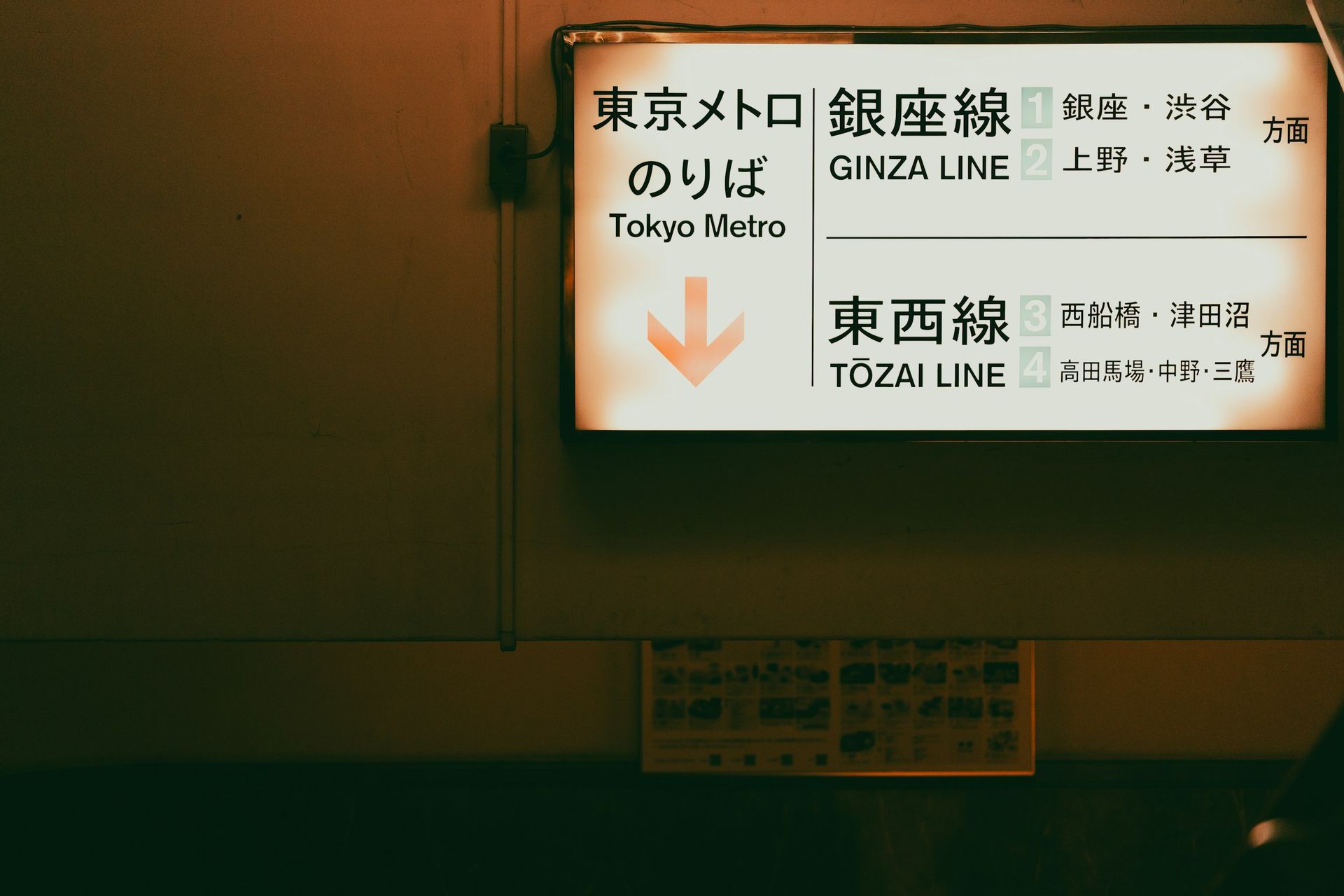
Touring Tokyo over several days can be logistically challenging. Subways are efficient, but transferring between lines and navigating crowds adds fatigue. A private driver‑guide enhances your experience by:
- Effortless transit: Travel door‑to‑door between neighborhoods without lugging shopping bags through stations.
- Local insight: Guides share historical context and dining recommendations, adding depth to each stop.
- Flexible pacing: Linger at a museum or skip a sight altogether; your itinerary is yours to shape.
- Comfortable vehicles: Air‑conditioned vans with captain seats allow you to relax and recharge between visits, especially beneficial on longer days.
Sample 5‑day timeline
Day 1 09:00 Hotel pickup; visit Sensoji Temple and Nakamise‑dori. 11:00 Drive to Ueno Park; explore museums (Tokyo National Museum, National Museum of Western Art). 14:00 Stroll Shinobazu Pond and Ueno Toshogu Shrine. 15:30 Shop and snack at Ameya Yokocho. 16:30 Explore Akihabara’s electronics shops and otaku culture. Day 2 09:00 Witness Shibuya Crossing; view from an upper level café. 10:30 Walk Takeshita Street; browse fashion boutiques. 11:30 Lunch near Omotesando. 13:00 Visit Meiji‑Jingu Shrine. 15:00 Relax in Shinjuku Gyoen. 17:00 Free time for dinner in Shinjuku or Shibuya. Day 3 09:00 Drive across Rainbow Bridge; shop at Aqua City and DiverCity. 12:00 Picnic or lunch at Odaiba Kaihin Koen. 13:30 Experience teamLab Planets or other digital art venues. 16:00 Head to Roppongi; visit museums or observation decks. Day 4 09:00 Explore Yanaka’s temples and Yanaka Ginza. 12:00 Lunch at a local izakaya. 13:30 Continue to Kagurazaka or Kichijoji for boutique shopping and park time. 17:00 Return to hotel; optional evening dinner with your guide’s recommendation. Day 5 Flexible Choose from museums, shopping districts or nearby excursions; discuss with your driver‑guide. FAQs
- Do I need to stay in the same hotel throughout? Not necessarily. Tokyo’s efficient rail network and highway system allow you to stay in different districts (e.g., Asakusa, Shinjuku or Shibuya) without disrupting the itinerary. A driver‑guide helps transport luggage between hotels.
- Is five days enough to see Tokyo? Five days provide a solid introduction to Tokyo’s diversity. You’ll still leave many stones unturned, but you’ll have time to explore culture, pop culture, nature and local neighborhoods without rushing.
- What if it rains? Tokyo offers plenty of indoor activities—from museums in Ueno and Roppongi to shopping malls in Odaiba. Your driver‑guide can rearrange the schedule to accommodate weather changes.
- Are museums kid‑friendly? Yes. The National Museum of Nature and Science offers interactive exhibits, while teamLab’s digital art installations are engaging for all ages. Ueno Zoo (pandas!) is also a hit with children.
- Can I add day trips to this itinerary? Absolutely. With an extra day or by rearranging Day 5, you can visit nearby destinations like Kamakura, Yokohama, Hakone or Nikko. Glocal Japan offers dedicated day trips to these locations, as described in separate articles.
Ready to explore Tokyo beyond the obvious? Book a multi‑day neighborhood tour with Glocal Japan. Our professional driver‑guides will help you uncover hidden gems, tailor each day to your interests and travel in comfort. Contact us to craft your perfect Tokyo itinerary.
Sources & References
- JNTO – Ueno Park article: notes that Ueno Park is renowned for its museums and cherry blossoms that draw more than 2 million visitors each spring; lists the six museums within the park; describes the Shitamachi Museum and its portrayal of Tokyo’s downtown life; mentions the walk through Ame‑Yoko to Akihabara and its transformation into an electronics and pop‑culture district.
- JNTO – Shibuya Crossing article: explains the scramble crossing and rail connections; recounts the story of Hachiko.
- JNTO – Meiji‑Jingu article: describes the forest of approximately 100,000 donated trees and the chance for visitors to participate in Shinto rituals.
- JNTO – Shinjuku Gyoen article: details the park’s French, English and Japanese gardens and its imperial origins; notes that around 1,000 cherry trees bloom in spring.
- JNTO – Odaiba destinations page: highlights the Rainbow Bridge’s length and importance, the shopping malls and the beach with a replica Statue of Liberty.
- teamLab Planets official site: explains that visitors walk through water and that the artworks change based on people’s presence.
- JNTO – Sensoji Temple article: recounts the temple’s founding legend and describes the Kaminarimon gate and Nakamise‑dori.