Tokyo Transport Made Simple: IC Cards, Trains & Private Cars
Use Suica/PASMO for trains, and choose cars when convenience matters.
Tokyo’s vast rail network is efficient, but it’s much easier to use with a reloadable IC card. Suica and PASMO work on most trains, subways, and buses, and they’re also accepted at many shops. A 500 yen deposit is required for standard cards and is refundable when you return the card, minus a small handling fee. For heavy luggage, late-night travel, or groups, taxis or a private driver can be far more convenient and comfortable.
Japan’s capital has one of the world’s most extensive public transport systems. Trains and subways run on time, but ticket machines, route maps, and crowded stations can overwhelm first-time visitors. A rechargeable IC card simplifies fare payments, while taxis and private cars give you a better option when comfort and speed matter more than cost. This guide breaks down Tokyo transport so you can choose the right mode for each situation.
Prepaid IC cards (Suica, PASMO, and more)
Overview and availability
Suica (issued by JR East) and PASMO (issued by private rail operators) are the two most common IC cards in Tokyo. Regular sales resumed on March 1, 2025 after being limited due to IC chip shortages. Both cards are largely interchangeable and can be used across trains, subways, and buses, plus many vending machines, convenience stores, and restaurants. Digital versions are widely used, but availability can depend on your device and region settings.
Deposit and stored value
Standard IC cards require a refundable 500 yen deposit. Cards are purchased with an initial stored value and can usually be topped up to a set maximum. When returning the card, the deposit is refunded minus a handling fee, with any remaining balance refunded according to the operator’s rules.
Tourist versions
Welcome Suica is designed for visitors. It typically does not require a deposit, but unused balances are not refundable. Some mobile visitor versions have an expiration period, so they’re better for short trips than repeat travel.
Coverage limitations
IC cards work across many major urban regions, but they don’t work everywhere—especially in rural areas or when crossing between certain non-connected systems without exiting the gates. For Shinkansen rides, you generally need separate ticketing or additional setup depending on the service.
Buying tickets and using the train
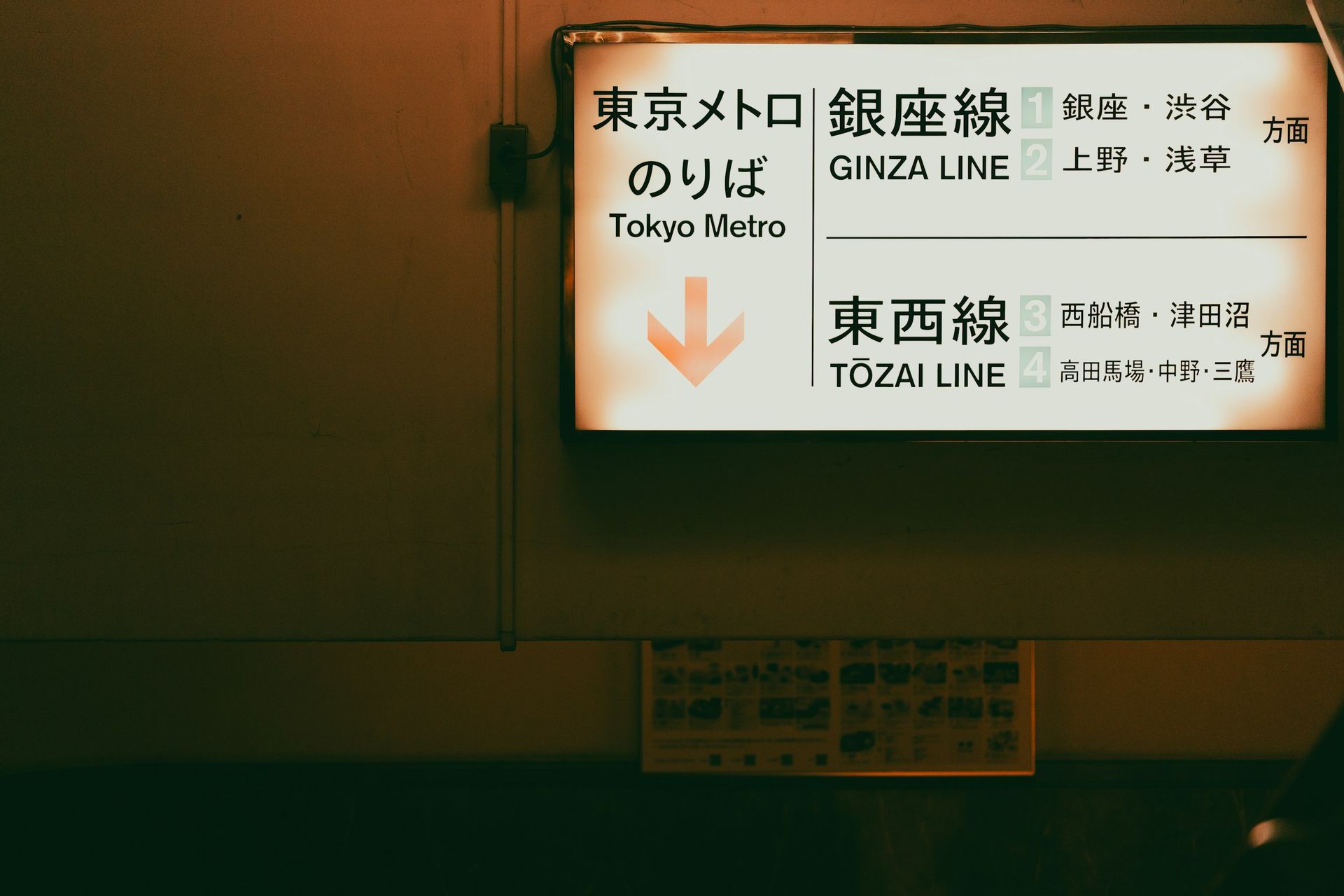
Even if you plan to use an IC card most of the time, it helps to understand standard tickets. Most stations have multilingual ticket machines. You select your destination (or fare), pay, and receive a paper ticket. At the gate, you insert the ticket to enter and take it back as it comes out; you insert it again when exiting.
With an IC card, it’s even simpler: tap the card at the reader when entering and exiting. The system calculates the fare and deducts it automatically.
When to choose taxis or a private car
Trains are usually fastest inside central Tokyo, but a car can be the smarter choice in these situations:
• Airport transfers: Narita is far from central Tokyo, and transfers can be tiring after a long flight. A private car is door-to-door.
• Groups and families: When you split the cost across several people, taxis or a private car can be reasonable—and much easier with strollers or luggage.
• Late-night or early-morning travel: Trains generally stop around midnight. If you’re arriving late or leaving before dawn, a taxi or pre-booked driver becomes the practical option.
• Places that are awkward by rail: Some attractions, onsen areas, or accommodations require extra bus transfers. A driver saves time and adds flexibility.
Private driver-guide advantage
Glocal Japan’s driver-guides bridge the gap between public transport and luxury chauffeuring:
• Logistics handled: Efficient routing, fewer navigation mistakes, and adjustments for traffic
• More comfort: Climate control, space for luggage, and less walking through crowded stations
• Local insight: Neighborhood context, etiquette pointers, and food recommendations during the ride
• Flexible pacing: You can add a stop—café, shrine, viewpoint—without worrying about schedules
Step-by-step: Getting around with an IC card
1. Buy your card at an airport or major station counter/machine and load an initial amount.
2. Recharge as needed at station machines or convenience stores (payment methods vary).
3. Tap in and out at ticket gates and bus readers—fares deduct automatically.
4. Check your balance on machines or some gate displays, then top up before it runs low.
5. Return it or keep it: Return it if you want the deposit back; keep it if you plan to visit Japan again.
FAQs
Should I get Suica or PASMO?
They work almost the same in Tokyo. Get whichever is easiest to buy where you arrive.
Can I use my IC card nationwide?
Often yes in major cities, but not everywhere. Rural areas and non-connected regions may not accept it.
What if I lose my card?
Treat it like cash. Unless it’s registered in a way that allows recovery, it’s usually not refundable.
Is it worth returning the card?
If you won’t be back soon, returning it can make sense to recover the deposit. If you plan to return, keeping it is convenient.
When should I hire a driver instead of using trains?
Airport transfers, heavy luggage, traveling with kids, tight schedules, or day trips outside the city are the top reasons.
Tokyo’s trains are efficient—but sometimes you need a break from transfers and crowds. Glocal Japan’s private driver-guides can handle airport pickups or drive you between sights smoothly. Contact us to combine Tokyo transit know-how with personalized car service.
Sources & References (no inline links)
• Japan-Guide: IC cards in Japan (Suica/PASMO usage, sales updates, tourist versions, coverage limits)
• Japan National Tourism Organization: Useful tickets in Tokyo (deposit/fees, loading amounts, IC card basics)
• Japan-Guide: Taking the train in Japan (ticket machines and gate usage)New Paragraph