Tokyo Transportation Made Simple (IC Cards + Trains)
Navigate trains, subways and IC cards like a local while knowing when a private car makes sense.
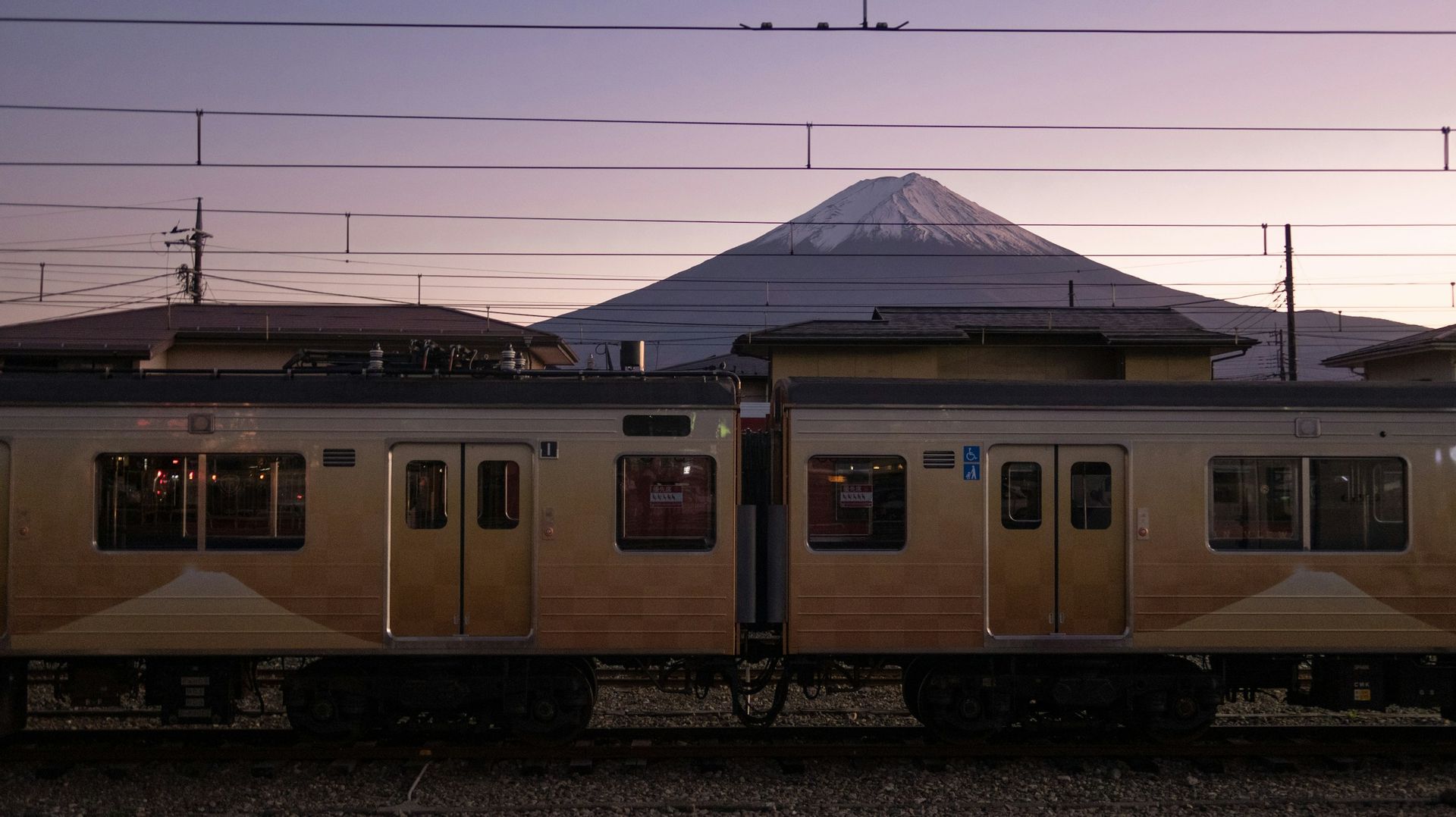
Tokyo’s transportation system combines JR lines, private railways, 13 subway lines, and buses. The Yamanote Line loops around major hubs, while IC cards like Suica and Pasmo work on almost all trains and buses and store preloaded credit. For complex itineraries—especially with luggage or young children—a private vehicle can be more efficient.
Overview of Tokyo’s Transport Network
Tokyo is served by a dense network of rail, subway, and bus lines run by multiple companies. JR East operates the circular Yamanote Line, which links major centers such as Shinjuku, Shibuya, Ueno, and Tokyo Station. Radial lines like the Chuo Line, Sobu Line, and Keihin-Tohoku Line provide east–west and north–south connections. Beyond JR, Tokyo has nine Tokyo Metro lines and four Toei subway lines, most operating within and around the Yamanote Loop. Numerous private railways connect outer suburbs and satellite cities.
Buses cover pockets of the city that rail doesn’t reach easily. The system is comprehensive, but transfers between JR, Metro, Toei, and private rail lines can be confusing for first-time visitors. Trains are frequent and generally run from early morning until after midnight, but late-night services are limited.
Using IC Cards: Suica and Pasmo
IC cards are rechargeable smart cards that allow cashless payment for trains, subways, and buses, plus many convenience stores and vending machines. Suica (JR East) and Pasmo (private railway operators) are interchangeable in the Tokyo area. Each standard card requires a 500 yen deposit and can be loaded with up to 20,000 yen. When you return the card, the deposit is refunded minus a small handling fee. You can buy cards at station machines and top them up whenever needed.
Digital versions of Suica and Pasmo are available for smartphones, letting you tap your phone instead of carrying a physical card. Once loaded, you simply touch your card or phone to the reader at ticket gates and the fare is deducted automatically. IC cards are the easiest way to travel across different operators without calculating fares for every trip.
Passes and Tickets
Several passes offer unlimited rides over a set period and can be useful if you plan heavy sightseeing:
- Tokyo 1-Day Ticket: Unlimited rides on participating JR, Tokyo Metro, Toei subways, the Toden tram, and Toei buses in central Tokyo
- Tokunai Pass: Unlimited rides on JR lines within Tokyo’s 23 wards for one day
- Tokyo Subway Ticket (24/48/72 hours): Unlimited rides on Tokyo Metro and Toei subway lines for the specified time period
These passes can save money if you ride frequently in one day. However, they typically do not include private railways, so always check what’s covered before buying.
Buying Tickets and Navigating Stations
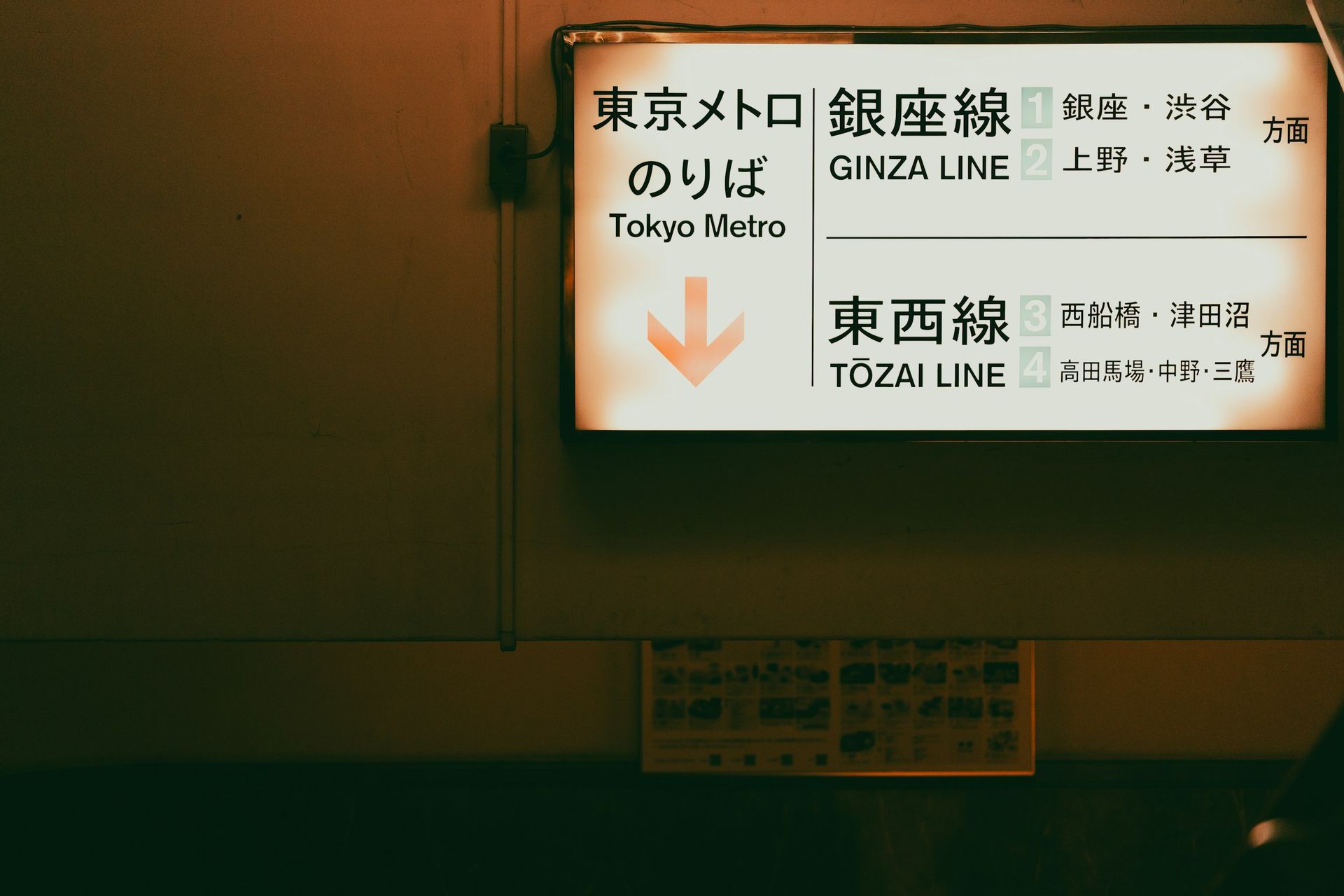
Most station ticket machines have English menus. You can buy single tickets by selecting your destination on a fare map, but using an IC card or a pass is simpler. Stations use color-coded signage—follow the line color and station number to reach the correct platform.
Major stations like Shinjuku and Tokyo Station are huge, and transferring between lines can take time. During rush hour, trains get packed. If you’re carrying bulky luggage, try to avoid peak commuting times or consider a taxi or private car.
When to Consider a Private Driver
Public transport is efficient, but a private driver can be the smarter choice in situations like these:
- Traveling with children or seniors: Busy stations, stairs, and long walks between platforms can be exhausting. A private car is door-to-door.
- Multiple far-apart districts in one day: If you’re doing Asakusa, Odaiba, and Roppongi in one itinerary, rail travel can mean multiple transfers. A driver reduces friction and saves energy.
- Airport transfers: Late-night or early-morning flights don’t always match train schedules. A driver keeps things predictable.
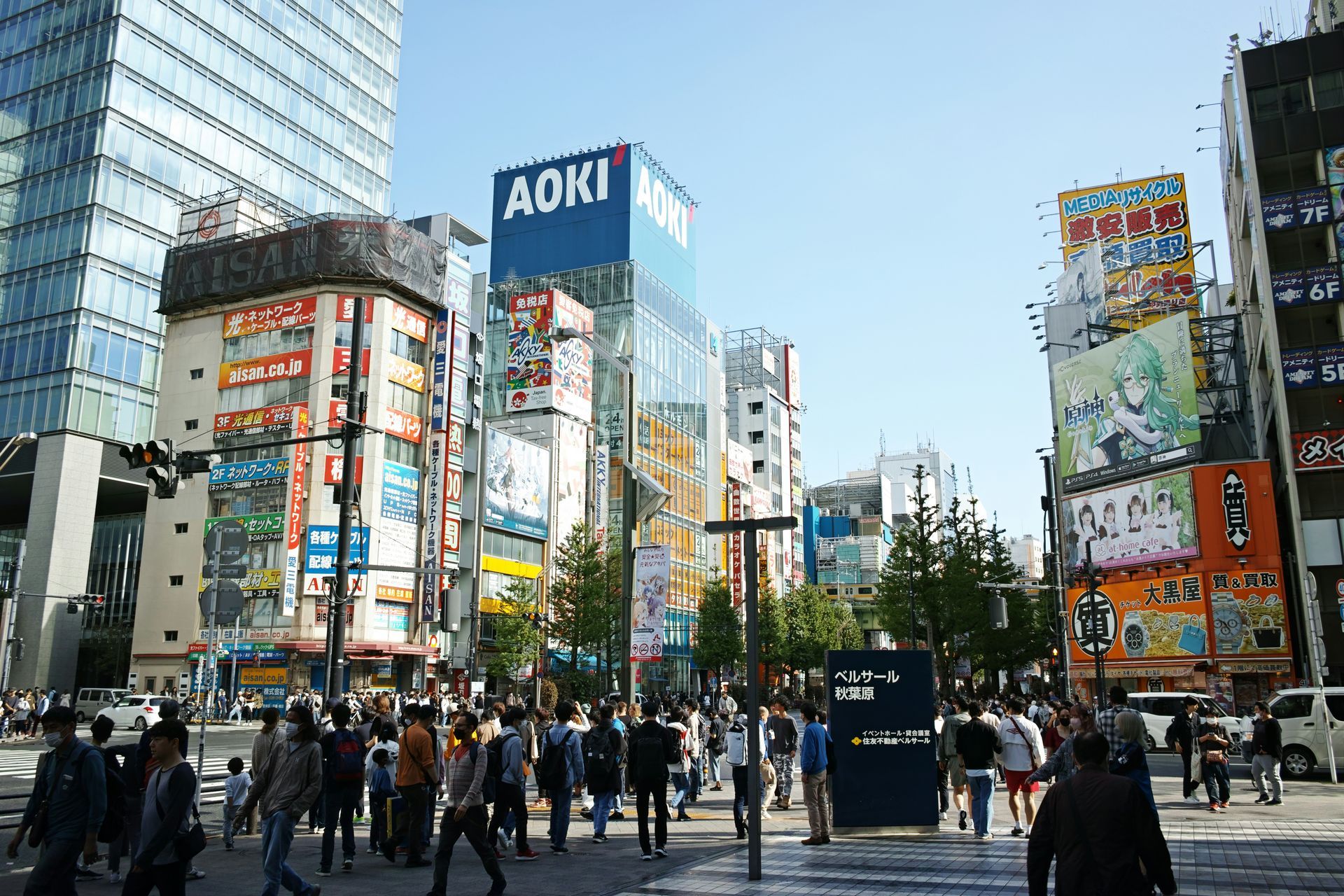
- Shopping days: If you’re buying electronics in Akihabara or shopping in Ginza, a car means you’re not hauling bags through stations.
Private Driver-Guide Advantage
Glocal Japan’s driver-guides handle Tokyo’s complex roads while providing helpful local context during the ride. Vehicles are clean, air-conditioned, and often equipped with Wi-Fi, and premium vans offer captain seats for extra comfort. With a private driver, you skip crowded platforms, keep control of your schedule, and travel in privacy. For travelers with mobility concerns—or anyone who wants a calmer, smoother day—this makes a major difference.
FAQ
Q1: Do I need both a Suica and a Pasmo card?
No. They work the same in Tokyo. Choose whichever is easiest to buy where you arrive.
Q2: Can I use my IC card outside Tokyo?
Often yes in major cities, but rural areas may still require paper tickets.
Q3: How do I get a refund?
Return the card to a service center. You usually receive the remaining balance plus the deposit, minus a handling fee.
Q4: Are there discounts for children?
Yes. Child IC cards are available and typically charge reduced fares, but rules and verification may vary.
Q5: Do subway passes include private railways?
No. Many passes cover Tokyo Metro and Toei only, not private railways like Keikyu, Keisei, or Tobu.
Conclusion
Tokyo transportation doesn’t have to be intimidating. Use an IC card for simple tap-in/tap-out travel, and consider unlimited passes when you plan to ride a lot in one day. For complex itineraries, heavy luggage, or family travel, Glocal Japan’s private driver-guide service can be far more comfortable than trains and buses. With the right plan, you’ll spend more time exploring—and less time figuring out how to get there.
Sources & References
- Japan National Tourism Organization, “Useful Tickets in Tokyo”.
- Japan Guide, “Tokyo Transportation”.
- Japan National Tourism Organization, “All Destinations, Zero Hassle: A Guide to Chartered Taxis in Japan”.
- JNTO, “IC Cards”.